Reading the Language of the Whales
Part of what makes whale watching on Oahu so thrilling is that humpback whales are wonderfully active at the surface. They leap, slap, spout, and even sing, and each of these behaviors tells a little story. Knowing what you are seeing turns a good whale watch into a great one. Here is a guide to the most common humpback whale behaviors and what they might mean.
The Spout, or Blow
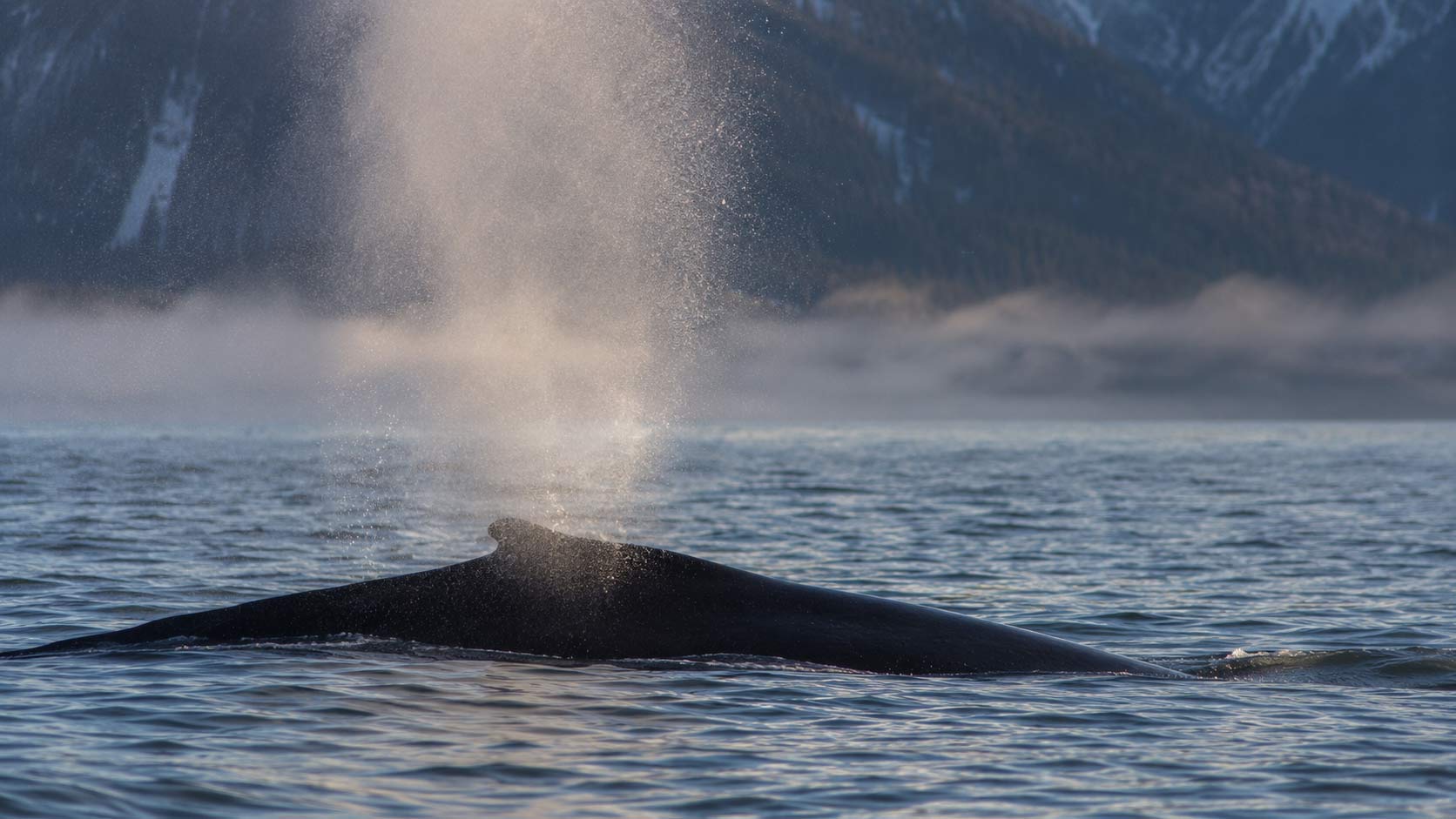
The first sign of a whale is usually its spout, the misty cloud that shoots up when a humpback exhales at the surface. This blow can rise several feet into the air and is often visible from far away, making it the easiest way to spot a whale. A humpback surfaces to breathe every few minutes, so watching for that telltale puff of mist is how most sightings begin.
Breaching: The Big Leap
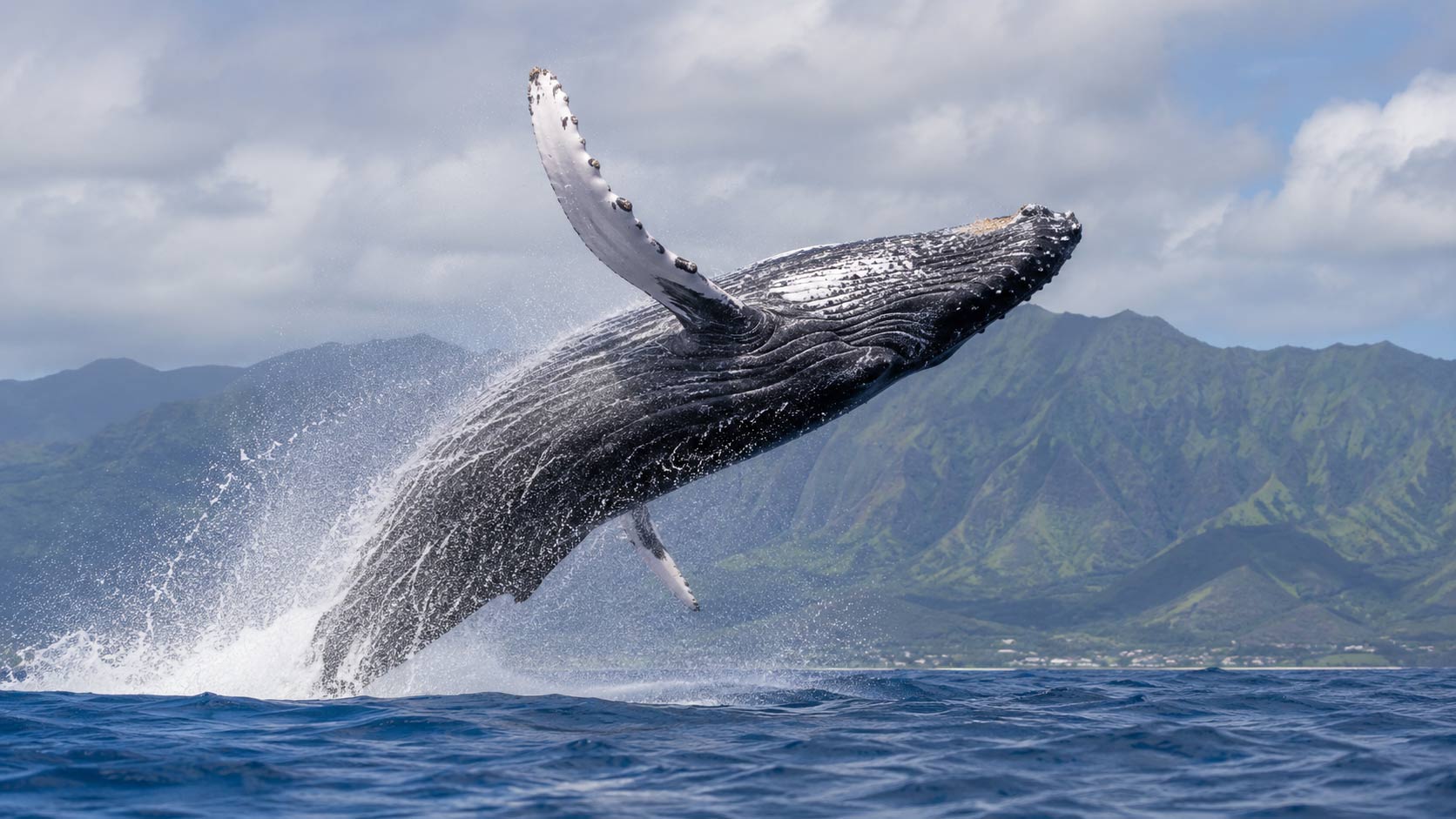
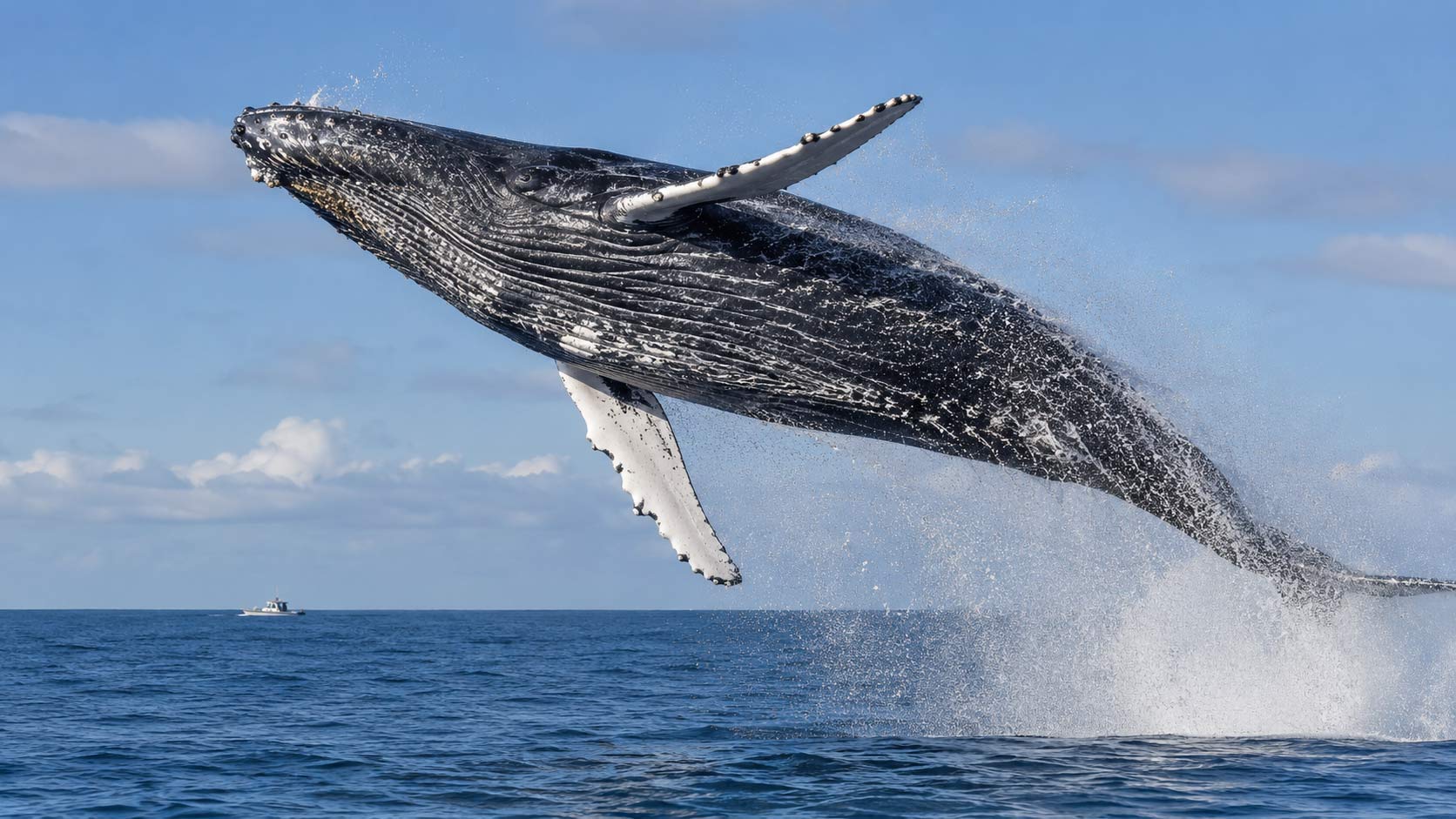
The most spectacular behavior of all is the breach, when a humpback launches much of its massive body out of the water and crashes back down in an explosion of spray. For an animal that can weigh 40 tons, it is a jaw-dropping sight. Scientists are not entirely sure why whales breach, and the possible reasons only add to the wonder.
- To communicate with other whales through the huge splash.
- To shake off skin parasites.
- Or perhaps simply for play.
Whatever the reason, catching a full breach is the moment every whale watcher hopes for.
Tail and Fin Slaps
Humpbacks often slap the surface with their tails or their long pectoral fins, creating a loud smack that carries across the water. A tail slap, sometimes called lobtailing, and a pectoral slap are thought to be forms of communication, or a way to signal excitement or warning. When you see a whale repeatedly slapping the water, you are watching it send a message.
The Fluke and the Dive
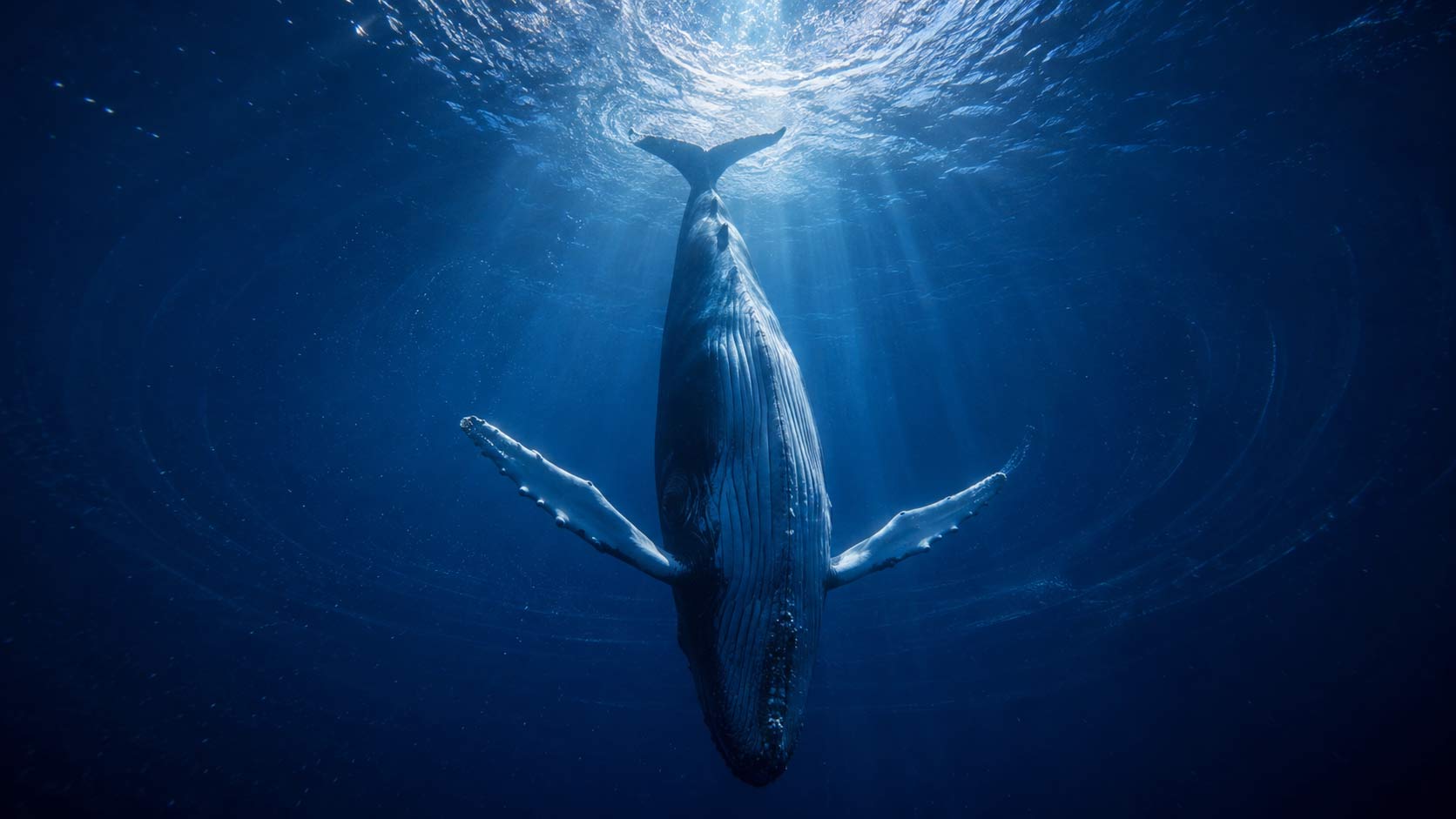
When a humpback lifts its tail, or fluke, high into the air, it is usually about to make a deeper dive. This graceful move, called fluking, is a favorite of photographers, since the underside of each whale’s tail has a unique pattern that researchers use to tell individuals apart. A raised fluke is a beautiful goodbye as the whale slips below the surface.
The Song of the Humpback
Perhaps the most magical behavior of all cannot be seen, only heard. Male humpbacks are famous for their long, complex songs, which they sing in Hawaiian waters during the winter breeding season. These haunting sounds can travel for miles underwater, and on a quiet boat you may even feel them through the hull. It is one of nature’s most mysterious performances.
Watch the Show Unfold
From the first misty spout to a thundering breach, a slap of the tail, or the raised fluke of a diving whale, every humpback behavior is a window into these gentle giants. The next time you head out on an Oahu whale watching tour, keep your eyes on the water and you will start to read their language. Watch respectfully from a distance, and let the humpbacks put on a show you will never forget.